
Postbiotics vs probiotics: inactivated microorganisms
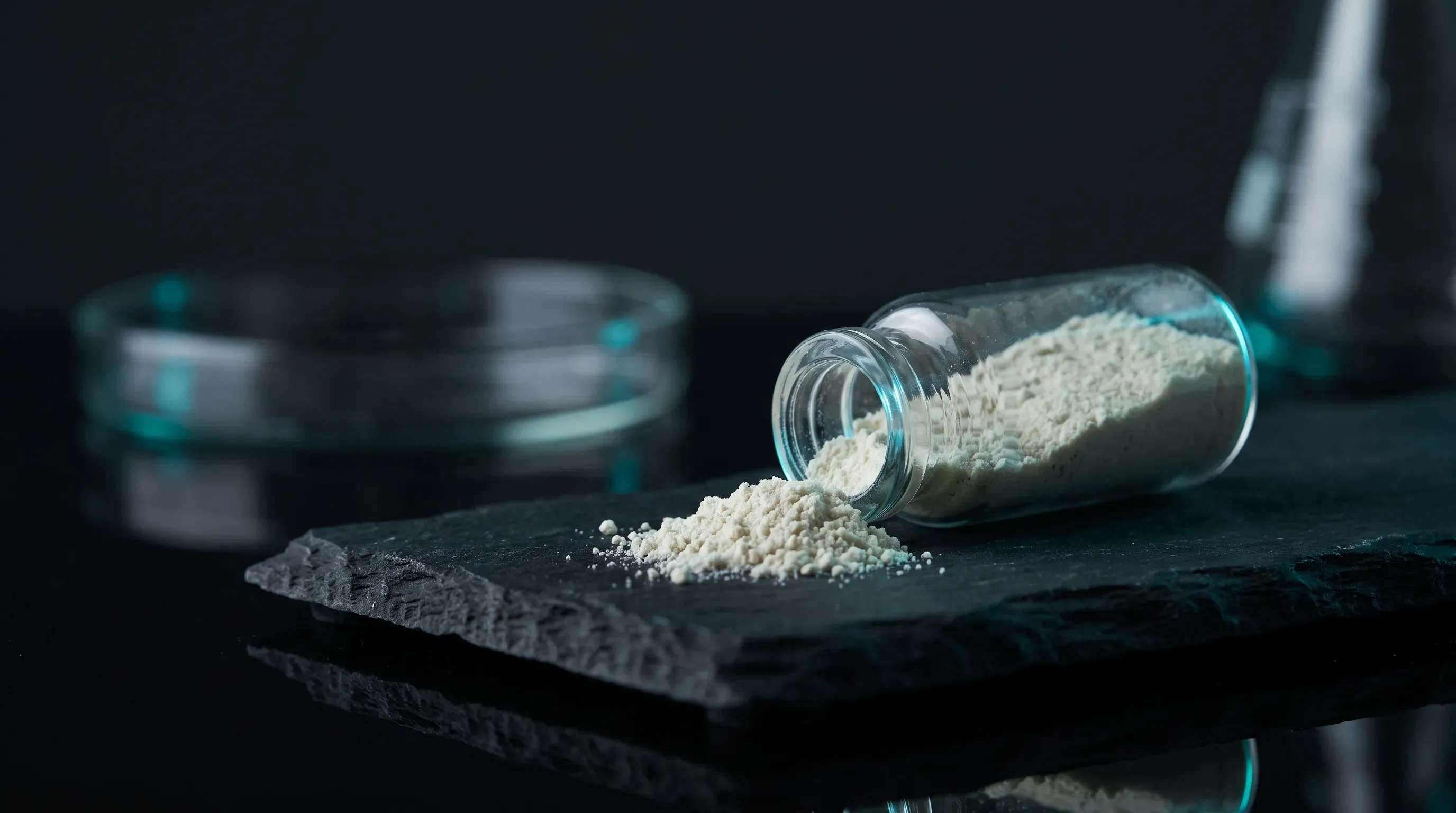
Postbiotics, paraprobiotics and tyndallized bacteria are all ways of using microorganisms that are no longer alive. For a formulator that raises three practical questions: how do these inactivated actives differ from live probiotics, when would you choose one, and what may you say about them in the EU? This guide answers them from the supplier side. VF Bioscience develops and supplies probiotic strains, fermentation starters and branded functional ingredients to food supplement, functional food and pharmaceutical manufacturers, and works with both live cultures and their inactivated derivatives.
What is a postbiotic, and how does it differ from a probiotic?
A postbiotic is a preparation of inanimate microorganisms, with or without their components, that confers a health benefit on the host. That is the 2021 consensus definition from the International Scientific Association for Probiotics and Prebiotics (Salminen et al., Nature Reviews Gastroenterology and Hepatology, 2021). By contrast, a probiotic is defined as a live microorganism that, administered in adequate amounts, confers a health benefit (Hill et al., 2014). The word live is what matters: a probiotic must stay viable through shelf life, while a postbiotic does not.
Two points follow from the postbiotic definition. First, a postbiotic must actually contain the inactivated cells or their components; purified metabolites, short-chain fatty acids or cell-free filtrates that retain no cell material do not qualify on their own (ISAPP FAQ, Vinderola et al., 2023). Second, a postbiotic is not simply a dead probiotic. The source microbe does not have to be a probiotic, and a strain that gives no benefit while alive can still be useful in its inactivated form.
Postbiotic, paraprobiotic or tyndallized: what is the difference?
The terms overlap, which is a common source of confusion. The table sets out what each one means and where it comes from.
| Term | What it means | Source |
|---|---|---|
| Probiotic | Live microorganisms that confer a benefit in adequate amounts | Hill et al., 2014 |
| Postbiotic | Inanimate microorganisms and/or their components that confer a benefit | Salminen et al., 2021 |
| Paraprobiotic (“ghost probiotic”) | Non-viable whole cells or crude cell extracts that confer a benefit | Taverniti and Guglielmetti, 2011 |
| Tyndallized | Cells inactivated by a specific heat process, roughly 70 to 100 °C | Piqué et al., 2019 |
Under the ISAPP consolidation, postbiotic is the umbrella term, paraprobiotic refers specifically to inactivated whole cells or extracts, and tyndallized names one heat-inactivation method. The definition is still debated: some researchers use postbiotic more broadly for metabolites and cell-free supernatants, which the ISAPP definition excludes. For a professional audience it is worth stating which definition you are using.
How can inactivated cells still be active?
Inactivation does not remove the structures the immune system reacts to. Cell-wall components such as peptidoglycans and lipoteichoic acids remain, and can interact with Toll-like receptors, notably TLR2, which is linked in preclinical work to immune modulation and support of gut-barrier integrity (Piqué et al., 2019; Salminen et al., 2021). These are proposed mechanisms from laboratory and animal research, not proof of a benefit in people, and the effect is specific to the strain and the inactivation method used.
Why formulators consider postbiotics
The appeal is practical. ISAPP notes that postbiotics are likely to be extremely stable for several years at room temperature, and better suited than live cultures to regions without a reliable cold chain (Salminen et al., 2021). Because the cells cannot replicate, the same source adds that they could reasonably be expected to have a better safety profile.
A review of heat-killed preparations lists further manufacturing advantages: easier to standardize, transport and store, long shelf lives, no risk of translocation from the gut in vulnerable subjects, and no transfer of antibiotic-resistance genes (Piqué et al., 2019). These are expectations grounded in mechanism, not guarantees for every product. Inactivation does not automatically mean safe either: Gram-negative preparations, for example, still need assessment for endotoxins.
How are postbiotics regulated in the EU?
There is no authorized EU health claim for probiotics or postbiotics. The word probiotic is itself treated as an implied health claim in the EU, and because no such claim is authorized, its use on a label is restricted. The only authorized claim involving live cultures concerns yogurt cultures and lactose digestion, at a minimum of 100 million (10^8) live starter cells per gram.
Separately, a new inactivated microbial preparation with no significant history of consumption in the EU before May 1997 is a novel food, and needs pre-market authorization under Regulation (EU) 2015/2283. Pasteurized Akkermansia muciniphila is one preparation assessed on that route (EFSA, 2021).
Sourcing and documenting inactivated actives
Whichever term applies, the diligence is the same as for a live strain. Effects are specific to the strain and the inactivation method, so a supplier should identify the organism to strain level and document the preparation, its standardization and its safety data. Two heat-killed batches of the same strain are not automatically equivalent.
VF Bioscience develops characterized microbial strains and their derivatives, and supplies them with technical documentation to food supplement, functional food and pharmaceutical formulators internationally. Its microbiology and discovery work is the origin of both live cultures and the inactivated ingredients derived from them through controlled fermentation, and its ingredient range already includes inactivated bacteria for dietary-supplement and functional-food applications.
Frequently asked questions
What is a postbiotic?
A postbiotic is a preparation of inanimate microorganisms and their components that confers a health benefit, according to the 2021 ISAPP definition. VF Bioscience works with both live probiotic strains and their inactivated derivatives for food, supplement and pharmaceutical formulators. It is a technical ingredient category, not a finished consumer product.
Is a postbiotic just a dead probiotic?
No. Under the ISAPP definition the source microbe does not have to be a probiotic, and a strain that gives no benefit while alive can still be useful once inactivated. 'Dead probiotic' is a common but inaccurate shorthand.
Are postbiotics more stable than live probiotics?
They are expected to be. ISAPP notes that postbiotics are likely to be stable for several years at room temperature and better suited to supply chains without a reliable cold chain. Stability remains product-specific and should be confirmed for each preparation.
Can you make a health claim for a postbiotic in the EU?
No. No EU health claim is authorized for probiotics or postbiotics, and the term probiotic itself is treated as an implied health claim. VF Bioscience shares the published science with formulators as technical information, and any claim wording should be confirmed per market with a regulatory lead.
What is the difference between a postbiotic, a paraprobiotic and a tyndallized bacterium?
A paraprobiotic is an inactivated whole cell or cell extract, and a tyndallized bacterium is one inactivated by a specific heat process that maintains the overall bacterial structure. Postbiotic is the broader ISAPP term that now covers both, provided inactivated cells or cell components are present.
Looking for the right strain or ingredient?
Our technical team can help you match biology to your application.
Talk to our team